Free Play with Purpose: How to Support Learning Without Over-Structuring
Benefits of play-based learning, child-led play, and unstructured playtime. Do these sound familiar? The educational jargon echoing through social media has been leaning heavily into free play for children of all ages, from the littlest learners to teens needing a break from the academic grind.
Free play supports everything from emotional regulation to academic development, creativity, and social skill building. Still, many parents and caregivers find themselves wondering: “Should I be doing more?” or “Is this actually productive?”
In a culture that prioritizes structure, measurable outcomes, and tightly managed schedules, unstructured play can feel ambiguous, maybe even uncomfortable. But free play is not wasted time. In fact, it’s where some of the most meaningful learning and growth take place.
What Is Free Play?
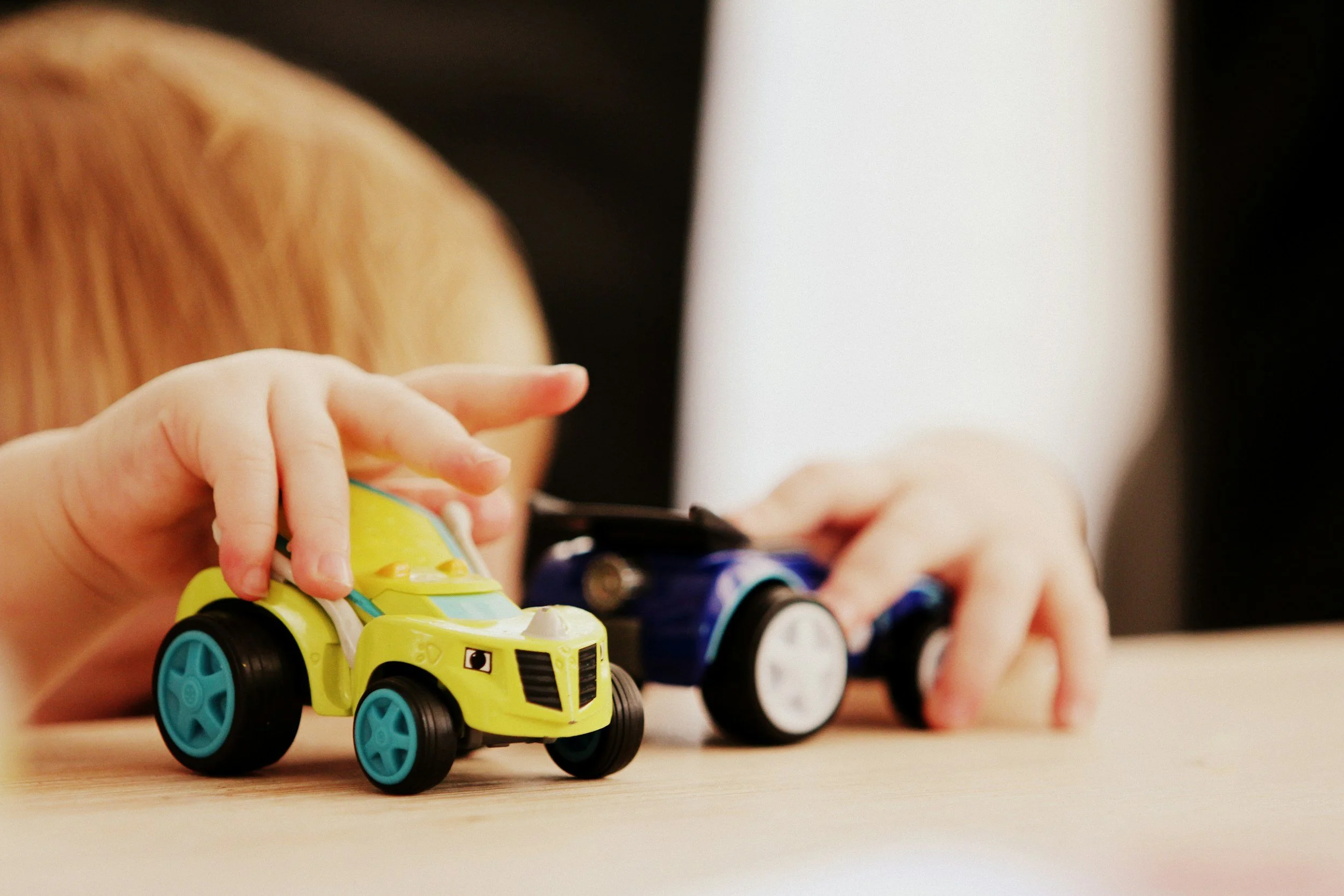
Free play is exactly what it sounds like: child-led, unstructured play without a specific learning goal.
It’s not a worksheet disguised as a game. It doesn’t have a rigid start or stop time. It’s not adult-directed, and it’s not passive entertainment like watching TV or using an iPad.
Instead, free play is about exploring ideas and interests through building, creating, pretending, designing, or imagining, whatever naturally captures your child’s attention.
At its core, free play gives children ownership and autonomy. It allows them to engage without direction from a parent, caregiver, or educator and that independence is where so much growth begins.
How Free Play Supports Learning and Development
It can be difficult to see learning happening during unstructured play. But during free play, children are actively developing essential life and academic skills, including:
Problem-solving and critical thinking
Resilience and adaptability
Creativity and imagination
Independence and decision-making
Communication and social skills
Empathy through imaginative experiences
Play is one of the most natural and effective facilitators of learning—academically, socially, and emotionally.
No matter your educational goals for your child, play-based learning is one of the most organic ways to support progress and development.
Cultivating More Free Play at Home
Free play is like a muscle. It strengthens with time, consistency, and repetition.
Today, many children default to passive entertainment like screens when they feel bored. While screens aren’t inherently negative, frequent screen time can become a barrier to unstructured play. Children may begin to rely on it to fill downtime, making it harder to initiate independent play.
In my own household with a 7-year-old and a 3-year-old, I’ve seen this firsthand. When my sons have screen time several days in a row, I hear more “I’m bored” and “I have nothing to do.” That’s often a sign their “play muscles” are weakening.
But when we take breaks from screens for a few days or longer, their child-led play becomes more creative, more sustained, and more engaging.
Creative play builds on itself. Just like exercise becomes a habit, so does unstructured play.
How to Create a Free Play Environment
Here’s the good news: as a parent or caregiver, you’re mostly off the hook.
Your role is not to direct or constantly facilitate play. Instead, focus on creating an environment that invites exploration.
This might look like:
Offering open-ended materials (blocks, art supplies, loose parts)
Choosing toys and activities that aren’t overly stimulating or prescriptive
Allowing longer stretches of unstructured time
Stepping back and avoiding interruptions
Let your child engage with what interests them, in their own way, for as long as they want.
This is a curated play environment–setting your child up for imaginative exploration without too much adult involvement.
Final Thoughts: Why Free Play Matters
Both structured learning time and boredom contribute to the house upon which progress and growth are built.
Structured time helps build specific skills. Free play gives children the space to practice, apply, and internalize those skills in meaningful ways.
In a culture of time optimization, structured play, and scheduled childhoods, free play isn’t just a break from the busyness—it’s essential. It’s where children engage in the real work of childhood: exploring, imagining, creating, and learning on their own terms.
And that kind of learning lasts.